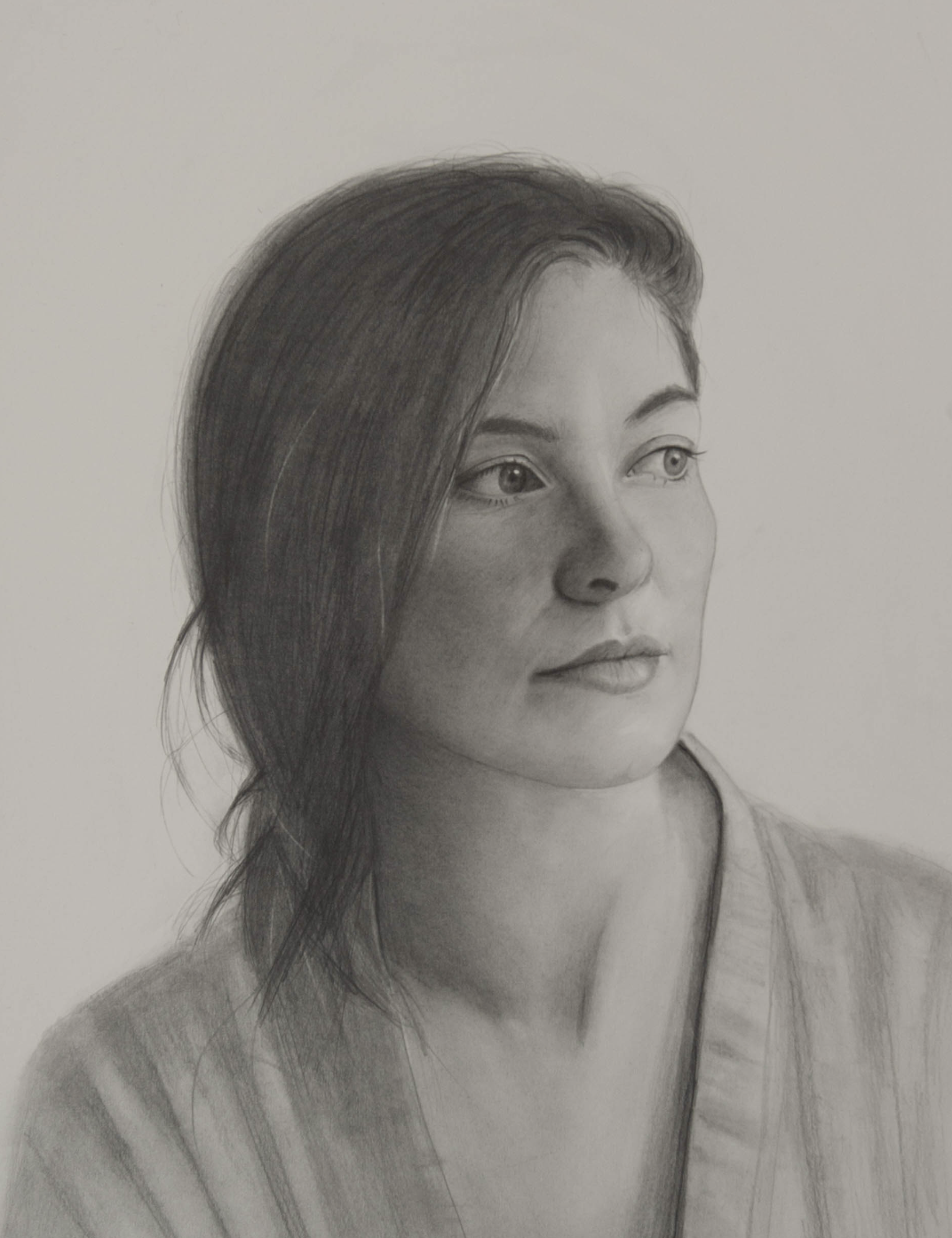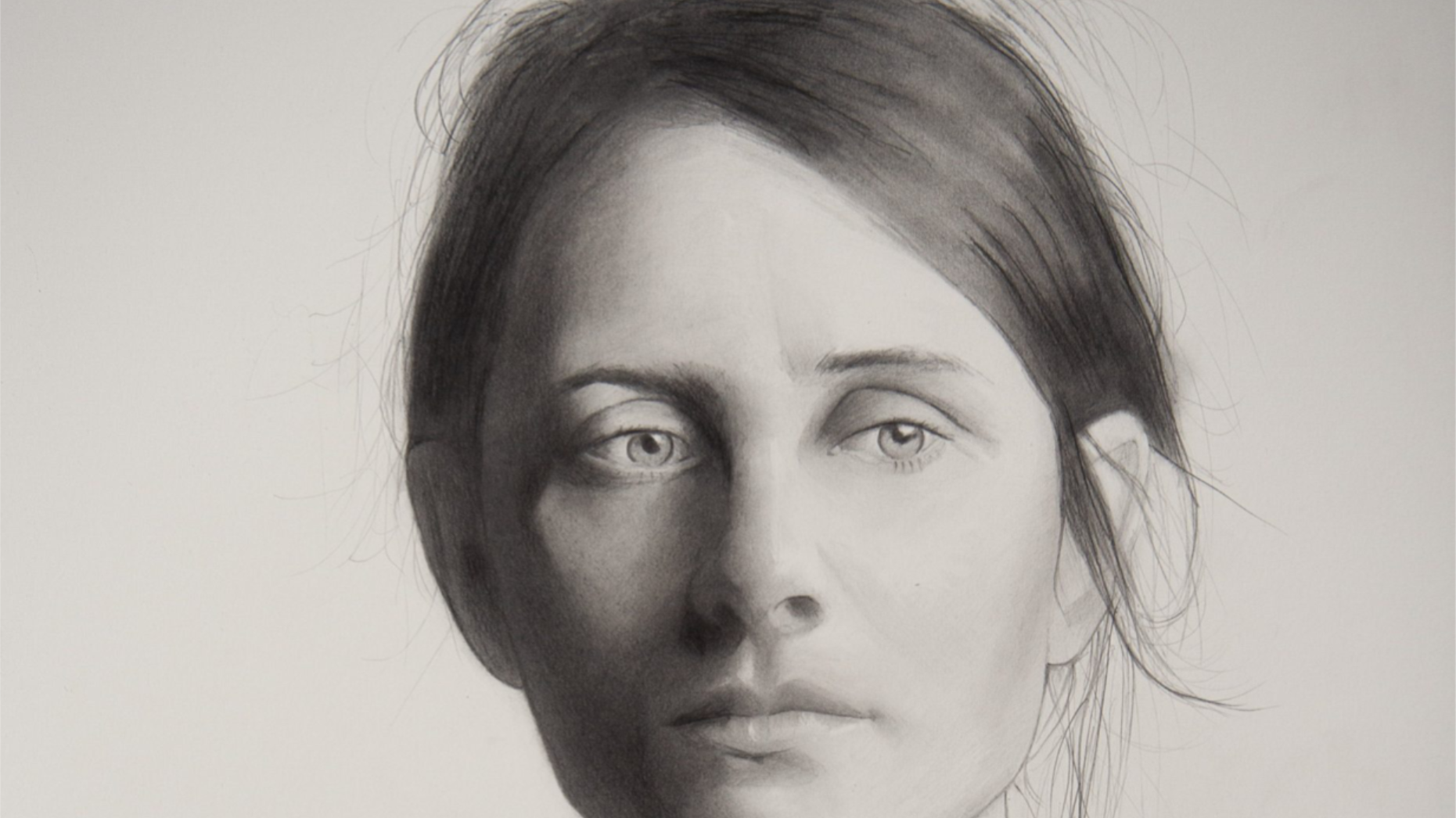
FACES
Face – The silent echo of the heart
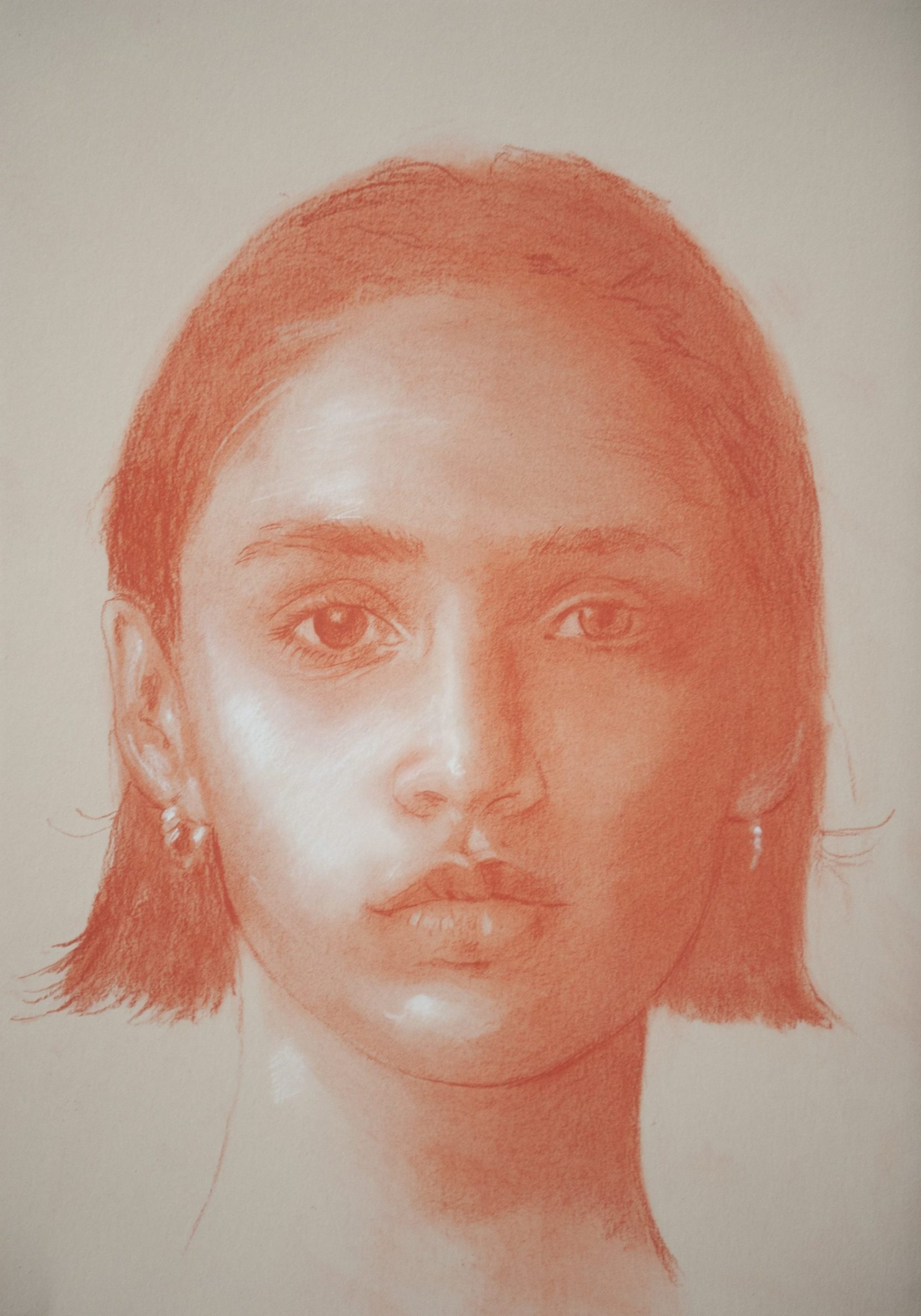
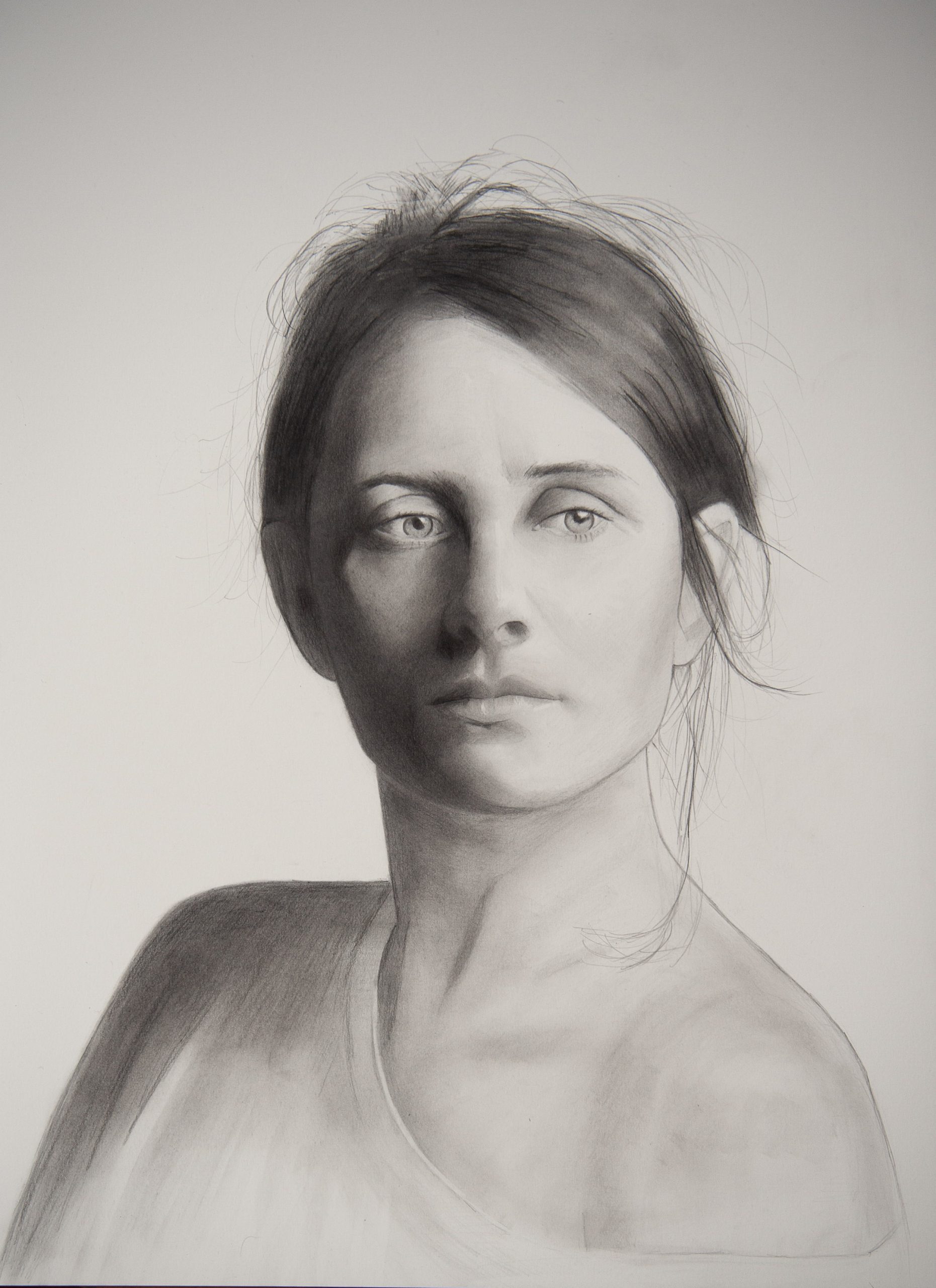
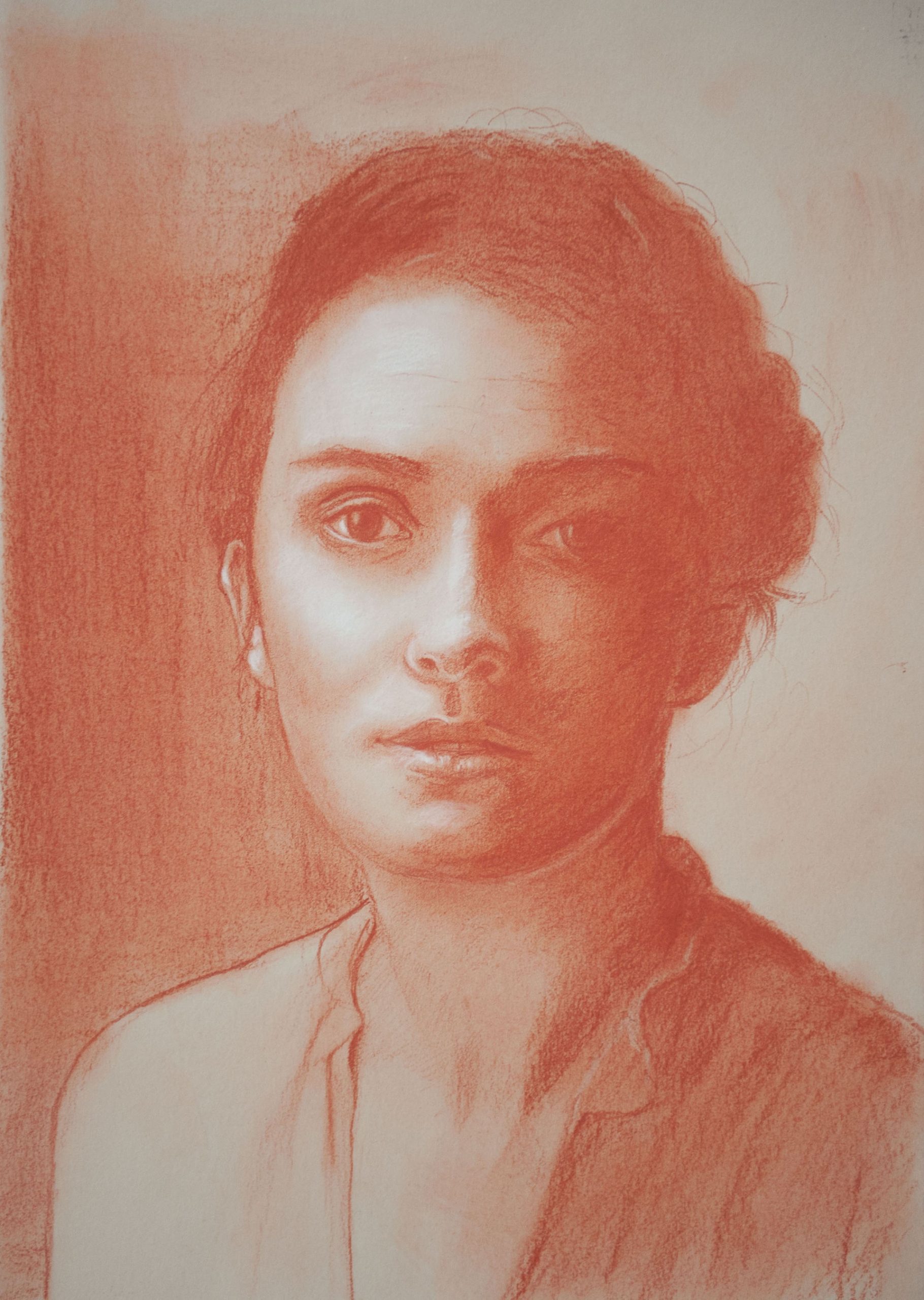
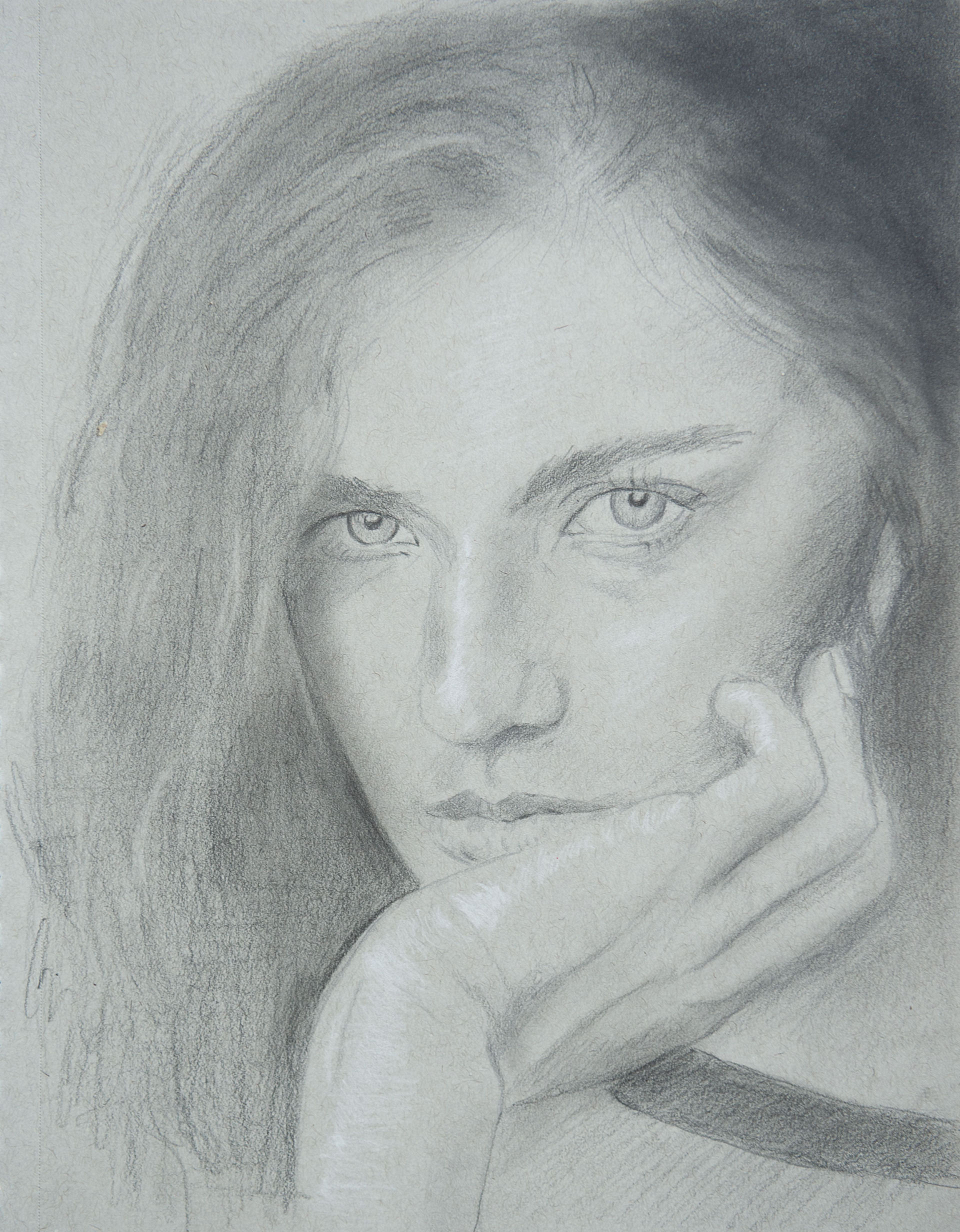
Portraits resonate deeply because they capture the essence of humanity. In museums, people are naturally drawn to portraits like the Mona Lisa or Rembrandt’s self-portraits because they reflect back a part of themselves. They connect us across time, offering glimpses into the souls, stories, and societies of those who lived before us.
The Universal Appeal of Portraits:
Faces are unique
-because of a combination of biological, cultural, and psychological
factors.
In art and portraiture, these unique qualities make faces endlessly fascinating, as they encapsulate not just physical attributes but also the intangible essence of who someone is. Faces in art are powerful conveyors of identity, emotion, and narrative.
They go beyond mere physical representation, capturing personality, mood, and even cultural or historical context. Artists often use faces to evoke empathy, tell stories, or make profound statements about the human experience.
From the meticulous realism of Renaissance portraiture to the expressive distortions of modern art, faces remain central to visual storytelling. They allow viewers to connect on a deeply personal level, often serving as mirrors to their own emotions and experiences. This universal appeal is what makes them so enduring and compelling in art.
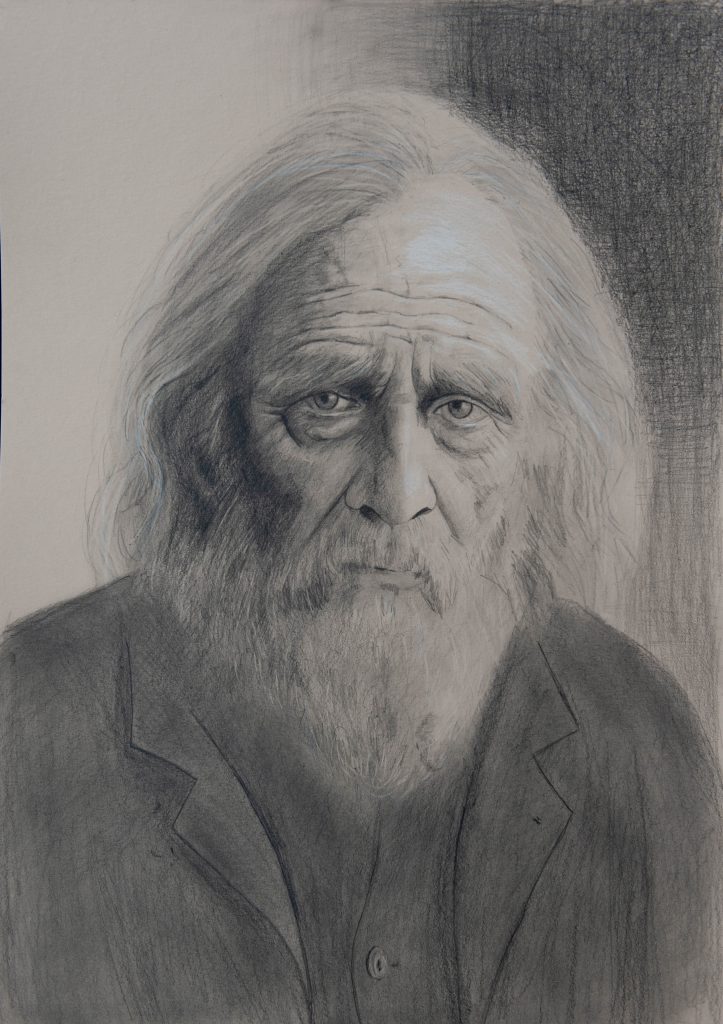
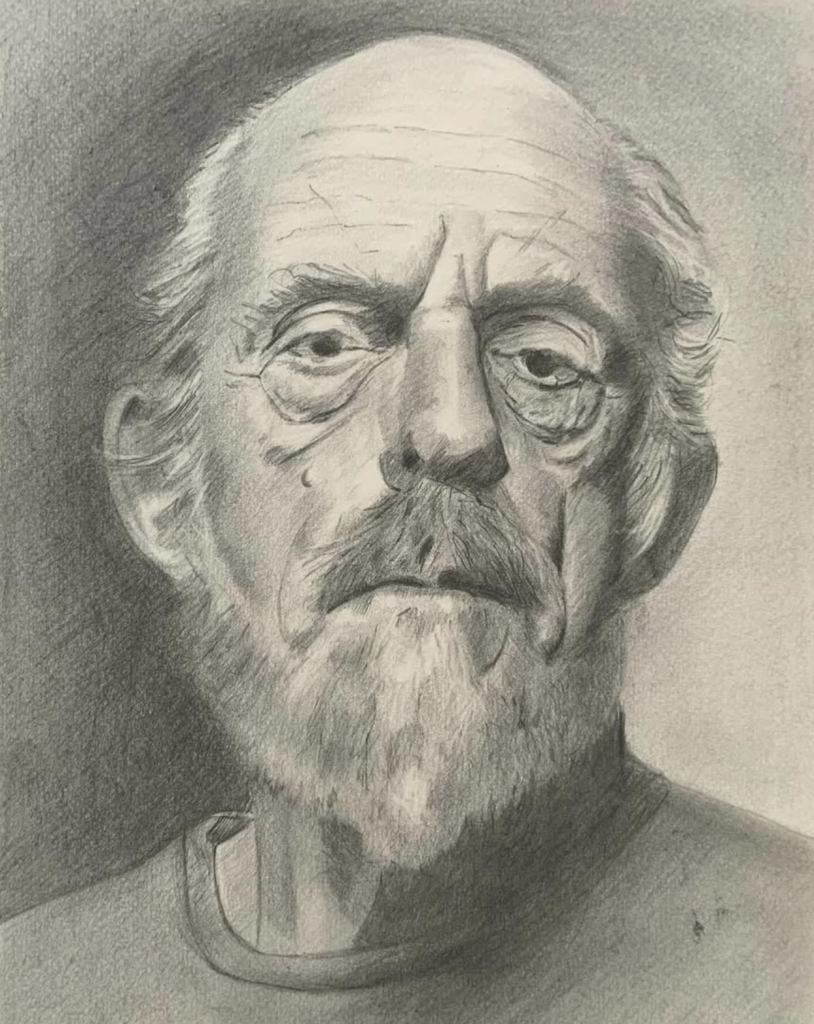
The Universal Appeal of Portraits:
Portraits resonate deeply because they capture the essence of humanity. In museums, people are naturally drawn to portraits like the Mona Lisa or Rembrandt’s self-portraits because they reflect back a part of themselves. They connect us across time, offering glimpses into the souls, stories, and societies of those who lived before us.
The face
is more honest than the mouth will ever be. ~Daphne Orebaugh
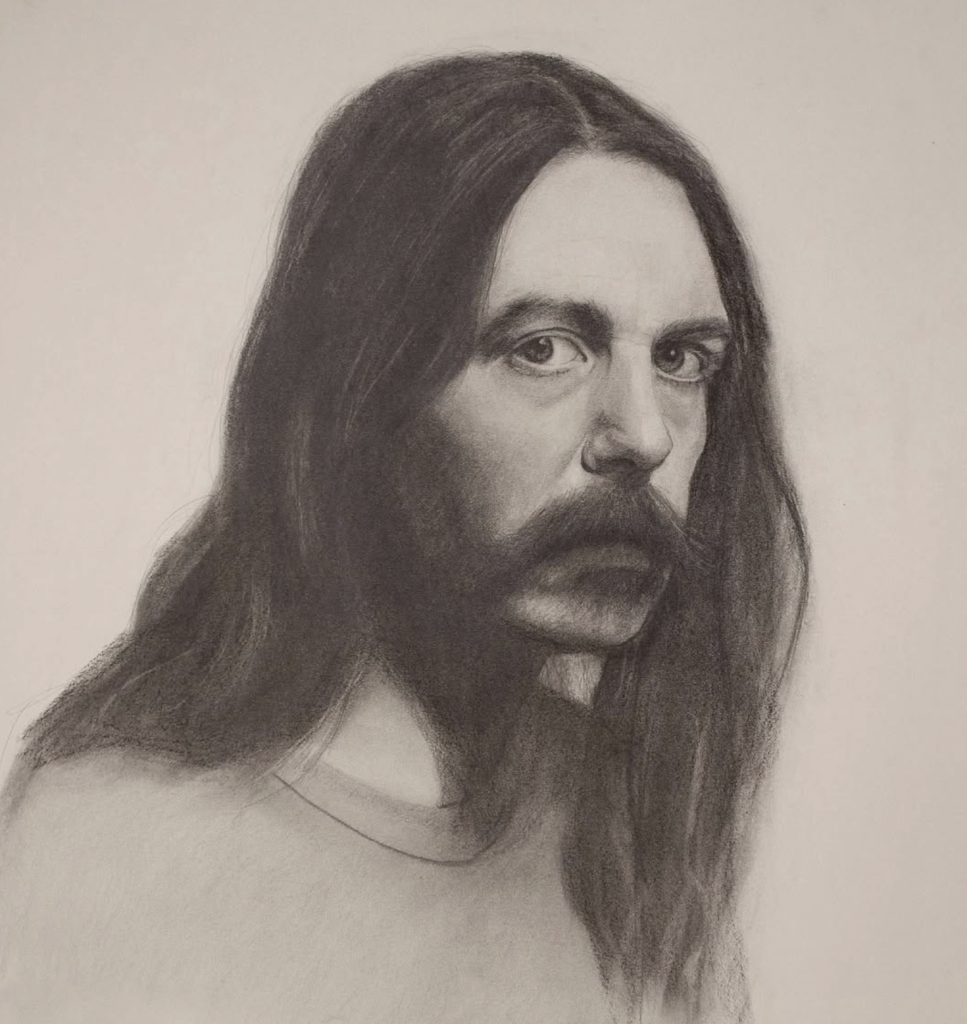
Rainer Maria Rilke
„A person’s face is the landscape of their life.”
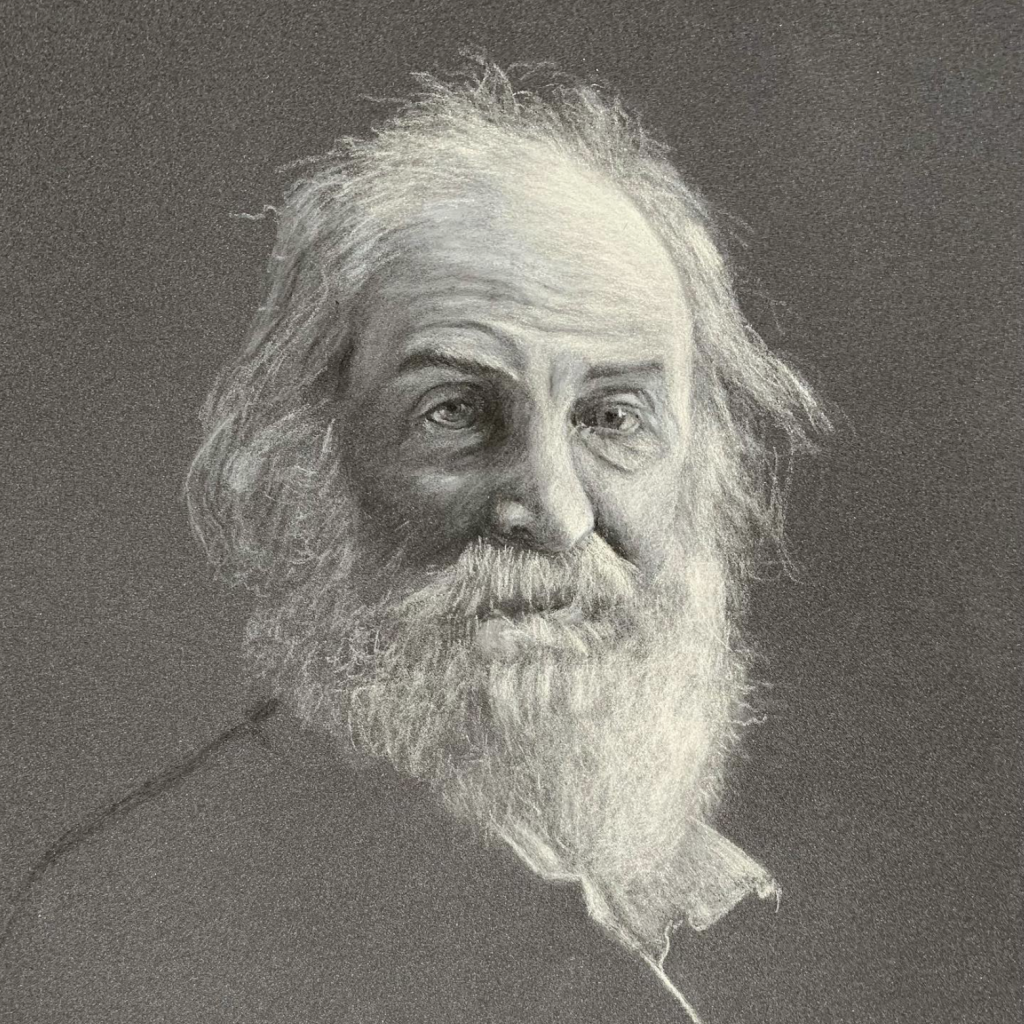
Leonardo da Vinci
„A good portrait shows not only what a person looks like, but who they are.”
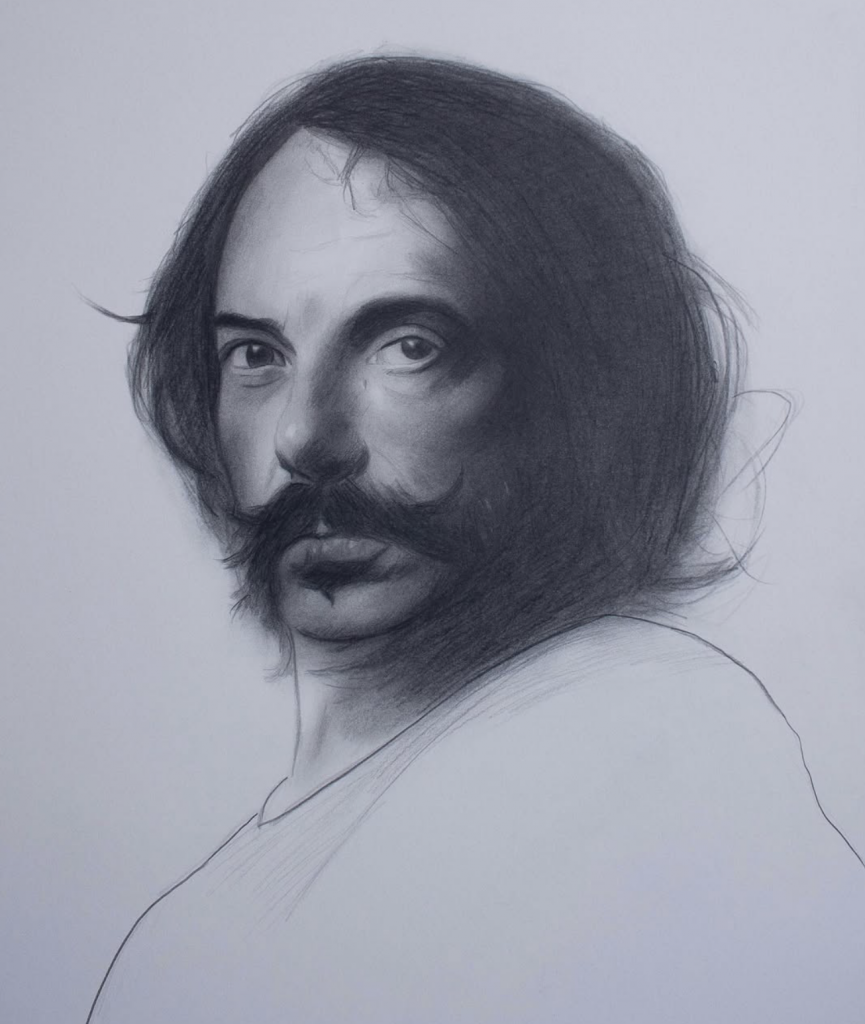
Ansel Adams
„A true portrait is not the image of a face, but of a personality.“